Choosing the Right Pipe & Plate Bending Machine: Mechanical vs. Hydraulic Explained
In the world of metal fabrication, choosing the right bending machine is a critical decision. Whether you’re working with pipes or plates, the accuracy, power, and efficiency of your equipment directly influence your output quality and productivity. Two major categories dominate this industry — mechanical bending machines and hydraulic bending machines.
At Pipe Plate Bending Machine, we help industries make the right decisions by offering top-notch solutions like Mechanical Pipe Bending Machines, Hydraulic Pipe Bending Machines, NC Hydraulic Plate Bending Machines, 4 Roller Hydraulic Plate Bending Machines, 3 Roller Hydraulic Plate Bending Machines, and more. But how do you choose between mechanical and hydraulic technology? Let’s dive into the key differences, features, and use cases to help you choose the right machine for your needs.
Understanding Pipe & Plate Bending Machines
Before comparing the types, it’s important to understand what bending machines do. These machines are used to bend metal pipes or plates to required angles and shapes without compromising material integrity. They are vital in construction, manufacturing, automotive, aerospace, shipbuilding, and many other industries.
Bending machines are typically categorized based on their operation type:
Mechanical Bending Machines
Hydraulic Bending Machines
NC (Numerical Control) Bending Machines
CNC (Computer Numerical Control) Bending Machines
We’ll focus on mechanical and hydraulic systems in this article.
Mechanical Bending Machines
What Are Mechanical Bending Machines?
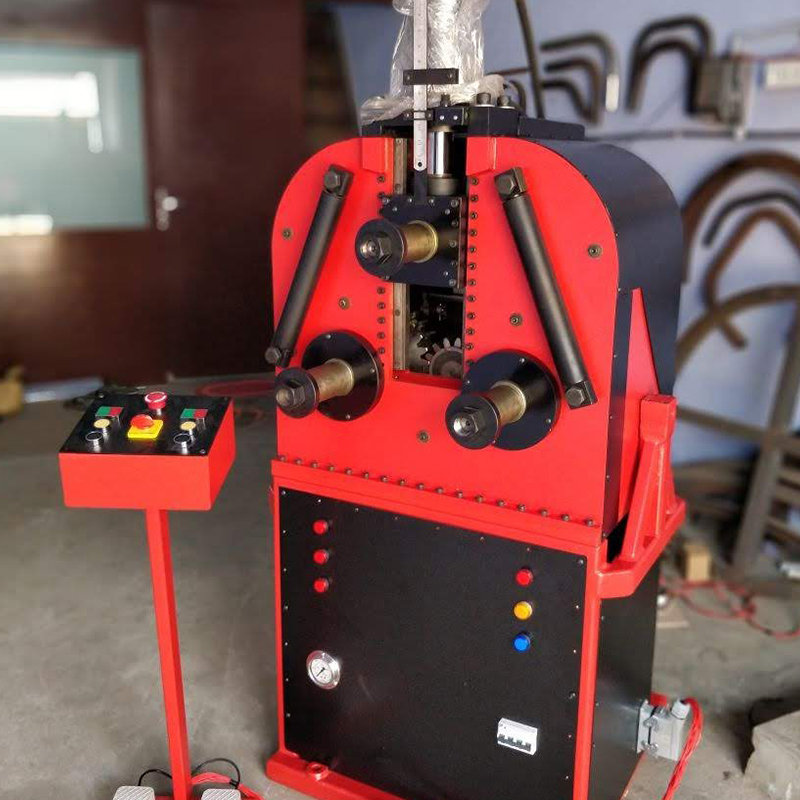
Mechanical bending machines use mechanical force generated by gears, flywheels, and electric motors. The motion created by these mechanical parts applies pressure to the metal, bending it into the desired shape.
Key Features:
Operated by electric motors and mechanical linkages
Fixed-speed operation
Cost-effective for basic applications
Low maintenance compared to hydraulic systems
Faster operation for light to medium jobs
Advantages:
Cost-Effective: Ideal for small workshops or medium-scale fabrication where high-end technology is not needed.
Easy Maintenance: Fewer complex components, making servicing easier.
Speed: Suitable for repetitive bending operations at high speeds.
Disadvantages:
Limited Force: Not suitable for bending thicker or high-tensile strength materials.
Lower Flexibility: Less precise than hydraulic systems when it comes to varying thickness or curvature.
Manual Adjustments: More setup time required for each job.