In today’s fast-paced industrial landscape, precision, automation, and efficiency are no longer optional-they are essential. For workshops involved in metal fabrication, construction, automotive, or heavy engineering, one tool stands out as a game-changer: the NC Hydraulic Plate Bending Machine. This technologically advanced machine combines numerical control (NC) with the robust power of hydraulic systems, offering an exceptional solution for bending metal plates with consistency and accuracy.
In this article, we’ll explore what makes NC hydraulic plate bending machines the ideal choice for modern workshops, their key features, advantages, applications, and how they compare to mechanical and conventional machines.
What Is an NC Hydraulic Plate Bending Machine?
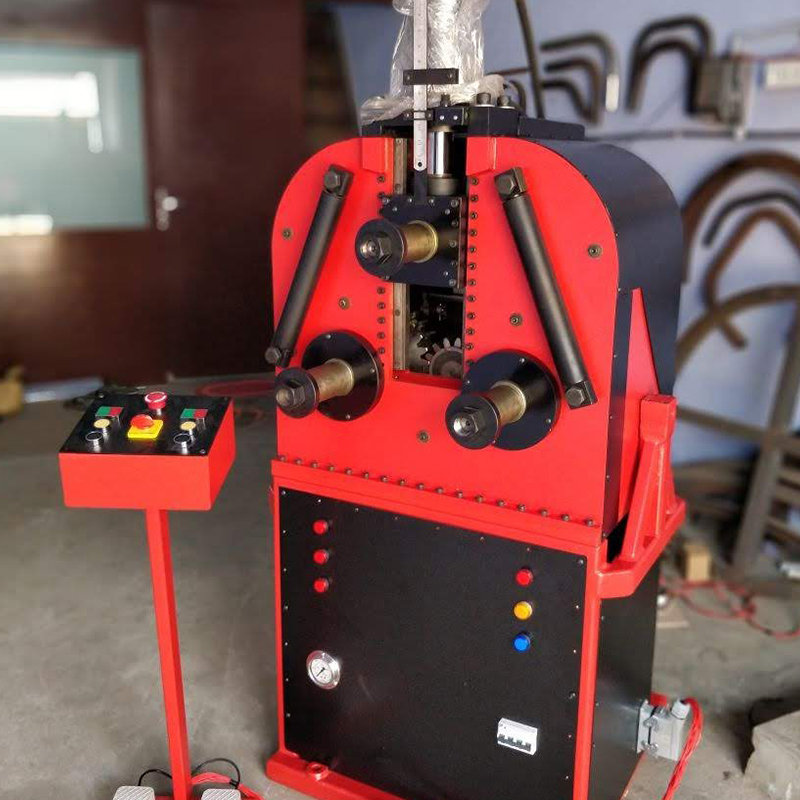
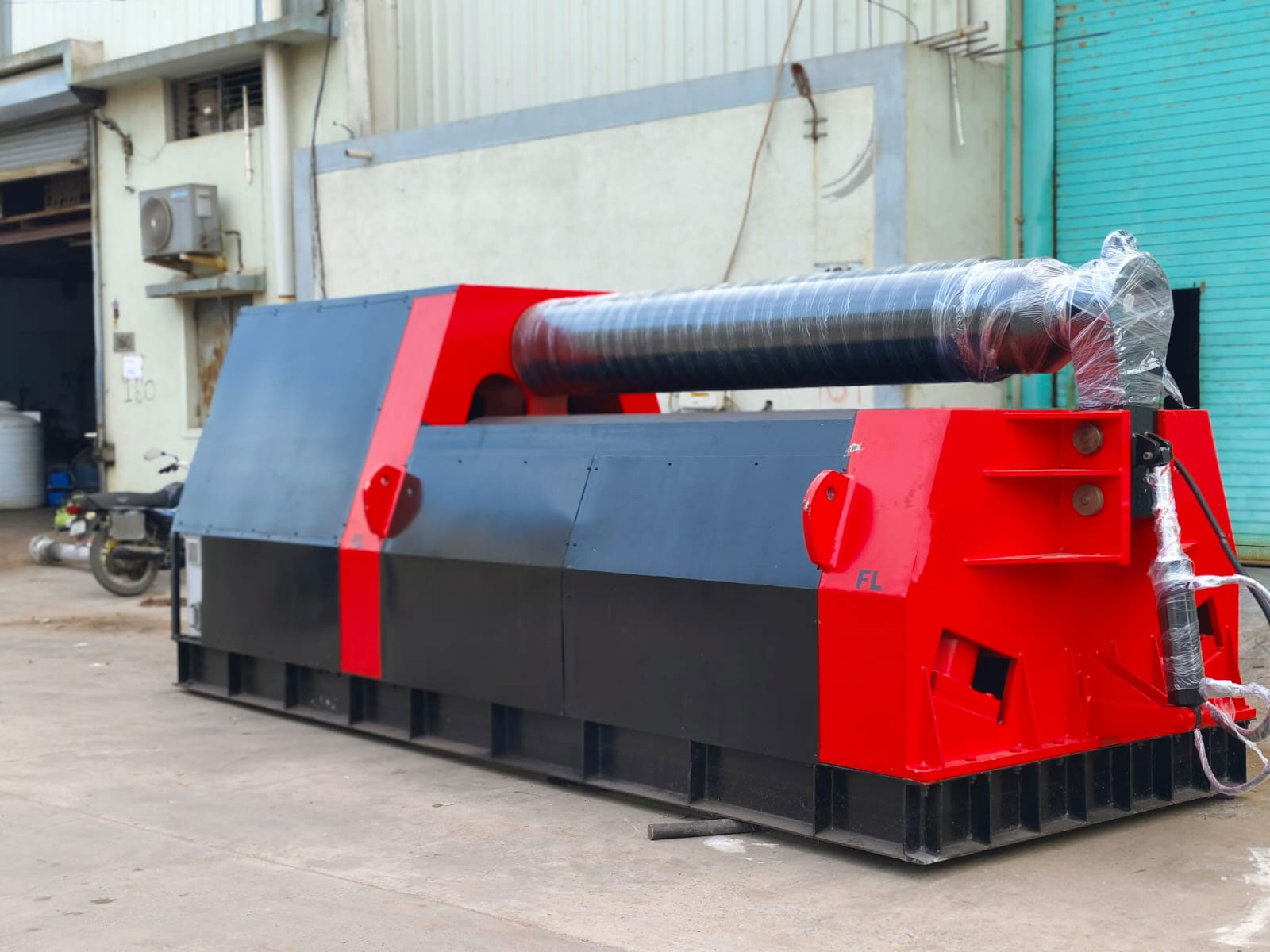
An NC (Numerically Controlled) Hydraulic Plate Bending Machine is a type of press brake or roller machine that uses hydraulic power and pre-programmed control systems to bend metal plates with high precision. The NC unit controls the movement of rollers or press components based on input values, ensuring repeatable and consistent bends without manual adjustment.
These machines typically consist of:
Hydraulic cylinders to provide the bending force
Rollers (3 or 4) for forming the plate
NC control panels for inputting bend parameters
Sensors and encoders to track material position and angle
Why Modern Workshops Choose NC Hydraulic Bending Machines
As fabrication demands evolve, manufacturers need equipment that not only performs well but also supports automated, accurate, and high-volume production. Here’s why NC hydraulic bending machines are becoming the preferred solution:
1. Superior Precision
Thanks to NC control, every bend is calculated and executed with minimal human error. Operators can set exact values for angle, length, radius, and material thickness, allowing for tight tolerances even in complex designs.
2. Consistent Repetition
Whether you’re producing a single prototype or 500 units, NC bending machines ensure each product matches the last, eliminating costly rework and wastage.
3. Reduced Labor Dependency
With the automation of angle calculations and back-gauge positioning, fewer operators are needed. Even semi-skilled labor can operate the machine efficiently with minimal training.
4. Increased Productivity
Hydraulic force provides quick and powerful bending, while NC programming cuts down on setup time. This means faster throughput, shorter lead times, and higher profitability.
Key Features of NC Hydraulic Plate Bending Machines
To understand what sets these machines apart, let’s take a look at their most important features:
NC Controller Panel
Most NC hydraulic machines come with a user-friendly display where operators input bend parameters. Some advanced models offer pre-loaded programs, job memory, and error detection features.
Robust Hydraulic System
The hydraulic drive ensures high tonnage capacity, making it easy to bend thick and wide plates. Smooth operation is ensured even under heavy-duty conditions.
Hardened & Ground Rollers
Rollers made from high-grade steel offer longevity and scratch-free surface finishing. Their alignment is maintained through mechanical or electronic balancing systems.
Back-Gauge System
The motorized back-gauge aids in accurate placement of the sheet before bending, crucial for repeatable precision.
Safety Interlocks
Built-in safety features like emergency stop, two-hand control, and material hold-downs reduce the chance of accidents during operation.